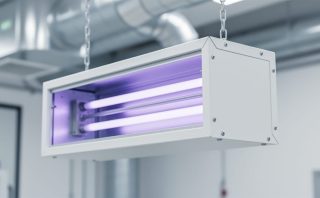
UVC LED disinfection uses ultraviolet-C light wavelengths (typically 260-280 nanometers) emitted by solid-state LEDs to inactivate bacteria, viruses, and other pathogens by damaging their DNA and RNA, preventing them from reproducing or causing infection.
Unlike chemical disinfectants that require contact time and leave residues, UVC LED technology offers a precise, chemical-free approach to sanitization. The technology has evolved rapidly over the past five years, moving from specialized medical and industrial settings into residential water purifiers, HVAC systems, and even portable consumer devices. For homeowners and commercial …