 donald
Traditional lighting consumes up to 40% of a building’s total energy costs while contributing significantly to carbon emissions and generating excessive heat that strains cooling systems. Sustainable lighting solutions slash these expenses by 75-90%, reduce environmental impact, and deliver superior light quality that enhances productivity and wellbeing.
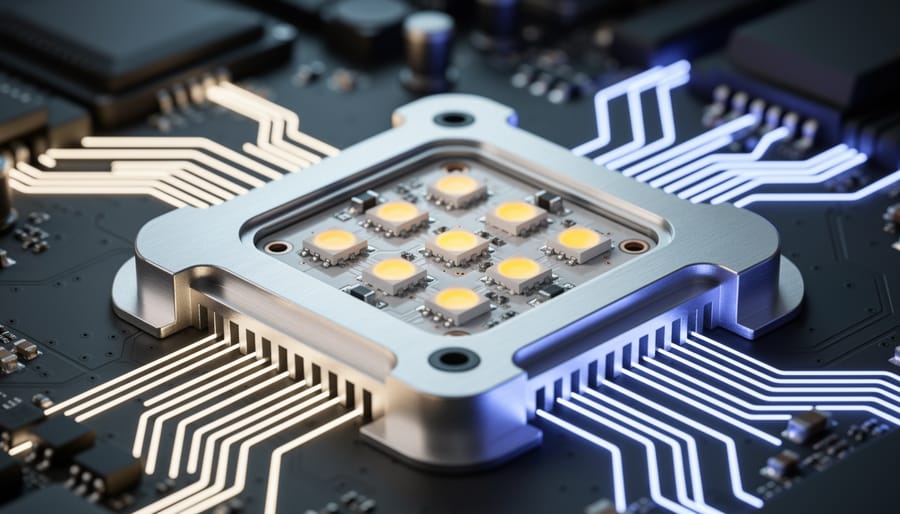
Switching to LED technology represents the foundation of any sustainable lighting strategy. LEDs use 85% less energy than incandescent bulbs and last 25 times longer, eliminating frequent replacements and reducing waste. Modern LEDs now offer exceptional color rendering (CRI 90+), dimming capabilities, and color temperature options from warm 2700K to cool 5000K, making them suitable for every application from residential spaces to commercial facilities.
Integrating smart controls multiplies energy savings beyond the bulbs themselves. Motion sensors, daylight harvesting systems, and programmable schedules ensure lights operate only when needed. A properly designed control system typically reduces energy consumption by an additional 30-50% compared to standard LED installations alone.
Designing with natural light maximization reduces artificial lighting requirements throughout daylight hours. Strategic window placement, light shelves, and reflective surfaces distribute sunlight deeper into interior spaces. When combined with tunable white LEDs that adjust color temperature throughout the day, this approach supports circadian rhythms while minimizing energy demand.
The investment in sustainable lighting typically achieves payback within 2-4 years through reduced energy bills and maintenance costs, then continues delivering savings for decades. Whether upgrading a single room or transforming an entire facility, sustainable lighting solutions provide measurable financial returns alongside environmental stewardship.
The True Cost of Traditional Lighting
Traditional lighting solutions carry far greater costs than most people realize when they review their monthly utility bills. While an incandescent or standard halogen bulb might seem inexpensive at the point of purchase, the true financial burden extends well beyond that initial transaction.
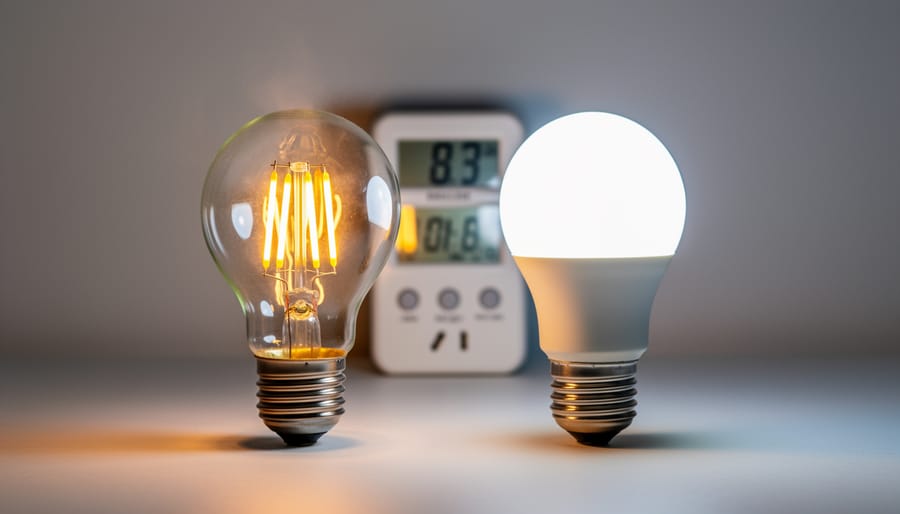
Let’s examine the numbers. A typical incandescent bulb consumes approximately 60 watts of electricity and lasts roughly 1,000 hours. Compare this to an LED alternative using just 10 watts for the same light output while lasting 25,000 hours or more. For a home with 20 light fixtures operating an average of 3 hours daily, the annual energy consumption difference translates to approximately 1,095 kilowatt-hours, costing an extra $130 to $165 per year at average electricity rates. Over a decade, that represents $1,300 to $1,650 in unnecessary expenses from energy waste alone.
Replacement costs compound these expenses significantly. Traditional bulbs require changing 20 to 25 times more frequently than modern sustainable alternatives. This means ongoing purchases, time spent shopping and replacing bulbs, and the inconvenience of sudden failures, particularly problematic for hard-to-reach fixtures in commercial spaces or high ceilings.
The environmental toll proves equally substantial. The average household using conventional lighting generates approximately 1,500 pounds of carbon dioxide annually just from their lighting choices. This carbon footprint equals driving a car nearly 1,700 miles. Additionally, incandescent bulbs waste 90 percent of their energy as heat rather than light, making them remarkably inefficient by any standard.
Beyond carbon emissions, traditional lighting contributes to landfill waste. Americans dispose of roughly 670 million incandescent and halogen bulbs annually. Many contain materials that don’t biodegrade and can release harmful substances into soil and water systems.
These hidden costs affect not just individual budgets but our collective environmental responsibility. Understanding these impacts creates a compelling case for transitioning to sustainable alternatives that deliver both immediate savings and long-term benefits for your space and the planet.
LED Technology: The Foundation of Sustainable Lighting
Understanding Lumens vs. Watts
When choosing sustainable lighting, understanding the distinction between lumens and watts is essential for making energy-efficient decisions. Watts measure energy consumption—how much electricity a bulb uses—while lumens measure light output, or brightness. Traditional thinking often equated higher wattage with brighter light, but this approach wastes energy with older incandescent technology.
Modern LED and CFL bulbs deliver the same brightness using significantly fewer watts. For example, a 60-watt incandescent bulb produces approximately 800 lumens, but an LED bulb achieves the same 800 lumens using only 8-10 watts. This represents an 85% reduction in energy consumption for identical brightness.
When selecting sustainable lighting, focus on lumens first to ensure adequate brightness for your space, then compare wattage between options to minimize energy use. A general guideline: living spaces typically need 1,500-3,000 lumens, kitchens require 4,000-8,000 lumens, and bedrooms work well with 2,000-4,000 lumens. By prioritizing lumens over watts, you’ll achieve the lighting quality you need while dramatically reducing both energy consumption and operating costs—the foundation of truly sustainable lighting solutions.
Color Temperature and Quality
When selecting sustainable LED lighting, understanding color temperature and quality ensures you create the right atmosphere while maintaining energy efficiency. Color temperature, measured in Kelvin (K), determines whether light appears warm or cool. Warm white LEDs (2700K-3000K) create inviting, cozy environments perfect for living rooms and restaurants, while cool white options (4000K-5000K) provide focused illumination ideal for offices and task areas.
Equally important is the Color Rendering Index (CRI), which measures how accurately colors appear under artificial light on a scale of 0-100. High-quality sustainable LEDs should have a CRI of 80 or higher, with premium options reaching 90+. This matters significantly in retail spaces where product appearance influences purchasing decisions, and in residential settings where accurate color perception enhances comfort and functionality.
When choosing LEDs for different spaces, consider both metrics together. Kitchens benefit from 3000K-4000K with high CRI for food preparation, while bedrooms perform best with warmer 2700K temperatures. Commercial galleries and showrooms require 90+ CRI to showcase merchandise accurately. Investing in quality LEDs with appropriate color characteristics ensures your sustainable lighting not only reduces energy consumption but also enhances the visual experience in every application.
Calculating Your Savings
Understanding your potential savings makes the switch to sustainable lighting even more compelling. Here’s a simple formula: multiply your current bulb’s wattage by your daily usage hours, then multiply by your electricity rate (typically $0.12-$0.15 per kWh) and by 365 days. Compare this to the same calculation using LED wattage.
For example, replacing a 60-watt incandescent bulb used 5 hours daily with a 9-watt LED equivalent saves approximately $25 annually per bulb. For a home with 30 light fixtures, that’s $750 in yearly energy savings. Commercial spaces with hundreds of fixtures can see thousands in annual reductions. Factor in LED lifespans of 25,000+ hours versus 1,000 hours for incandescent bulbs, and you’ll also eliminate frequent replacement costs. Most LED upgrades pay for themselves within 6-18 months through energy savings alone.
Smart Lighting Systems That Reduce Waste
Occupancy and Motion Sensors
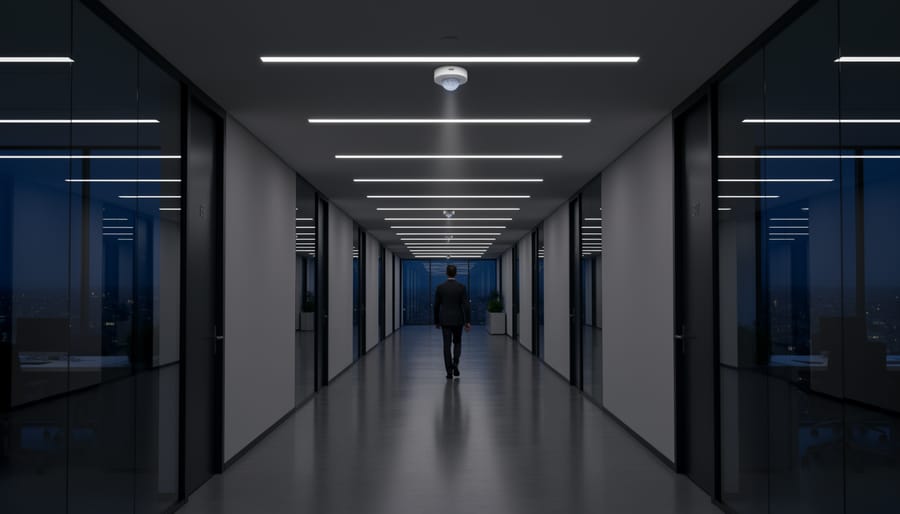
Occupancy and motion sensors represent one of the most practical advances in reducing energy waste, automatically turning lights on when spaces are occupied and off when empty. Studies show that implementing motion sensor technology can reduce lighting energy consumption by 30-60%, depending on the application and usage patterns.
For residential settings, these sensors work exceptionally well in hallways, bathrooms, closets, and garages—spaces where lights are frequently left on unnecessarily. In commercial environments, conference rooms, restrooms, storage areas, and stairwells benefit significantly from automated control, eliminating the common problem of lights burning throughout nights and weekends in unused spaces.
Modern sensors offer adjustable sensitivity and time delays, allowing you to customize performance for specific needs. For example, a bathroom might use a 15-minute timer, while a storage closet needs only 2-3 minutes. Some advanced systems integrate daylight harvesting, which dims or switches off artificial lighting when sufficient natural light is available.
When selecting sensors, consider the detection range and mounting type. Passive infrared sensors detect body heat and work best for smaller spaces, while ultrasonic sensors detect movement and suit larger areas with obstacles. Dual-technology sensors combine both methods for optimal accuracy and reliability.
Dimming and Daylight Integration
One of the most effective strategies for reducing energy consumption is integrating your artificial lighting with natural daylight. Photocell sensors, also called daylight sensors or photosensors, are devices that detect ambient light levels and automatically adjust your indoor lighting accordingly. When sunlight floods a room, these sensors reduce or turn off artificial lights. As natural light fades, they gradually increase electrical lighting to maintain consistent illumination levels.
This technology delivers substantial energy savings, particularly in spaces with significant windows or skylights. Commercial buildings can reduce lighting energy use by 30-50% through daylight harvesting systems, while residential applications typically see 20-40% savings depending on window orientation and room layout.
Dimming systems complement photocell sensors by providing smooth transitions rather than abrupt on-off switching. Modern LED-compatible dimmers work seamlessly with daylight sensors to create comfortable environments that respond intelligently to changing conditions throughout the day. Unlike older lighting technologies that consumed nearly the same energy when dimmed, LED lights use proportionally less power at lower brightness levels, making dimming both energy-efficient and cost-effective.
For optimal results, consider your space’s specific characteristics when implementing these systems. South-facing rooms receive the most direct sunlight and benefit significantly from daylight integration, while north-facing spaces require more nuanced sensor placement. Working with a lighting professional ensures proper sensor positioning and calibration, maximizing both energy savings and occupant comfort. The initial investment in quality sensors and dimming controls typically pays for itself within three to five years through reduced electricity costs.
Sustainable Fixture Materials and Design
Choosing sustainable lighting extends beyond the bulb itself—the fixtures that house them play an equally important role in reducing environmental impact. Modern eco-friendly fixtures incorporate thoughtfully selected materials and intelligent design principles that minimize waste while maximizing performance.
Recycled and reclaimed materials have become cornerstone elements in sustainable fixture manufacturing. Aluminum, one of the most recyclable materials available, can be repurposed indefinitely without losing quality. Many manufacturers now produce fixtures containing 50-90% post-consumer recycled aluminum, significantly reducing the energy required compared to virgin material extraction. Similarly, reclaimed wood from deconstructed buildings, salvaged steel, and recycled glass offer distinctive aesthetics while diverting materials from landfills.
Sustainably sourced components represent another critical consideration. Look for fixtures featuring FSC-certified wood (which means the wood comes from responsibly managed forests), bamboo harvested from rapidly renewable sources, or biodegradable materials like cork and hemp-based composites. These natural materials provide durability without depleting finite resources.
The finishes applied to fixtures deserve equal attention. Traditional powder coatings and paints often contain volatile organic compounds (VOCs) that release harmful chemicals into your indoor environment. Eco-conscious manufacturers now offer low-VOC or zero-VOC finishes, water-based coatings, and natural oils that protect fixtures without compromising air quality. These non-toxic options are particularly important in homes with children, elderly residents, or anyone with chemical sensitivities.
Design efficiency matters tremendously in sustainable fixtures. Well-engineered reflectors and diffusers maximize light output while using less energy, ensuring that every photon serves a purpose. Modular designs allow component replacement rather than full fixture disposal when parts wear out, extending product lifespan considerably. Some manufacturers employ computer modeling to optimize material usage, creating structural integrity with minimal waste during production.
When evaluating fixtures, request transparency about material sourcing, manufacturing processes, and end-of-life recyclability. Quality sustainable fixtures might carry higher upfront costs but typically deliver superior longevity and performance, making them sound investments for both your space and the environment.
Solar and Alternative Power Options
Solar power has revolutionized sustainable lighting, offering versatile solutions that reduce energy costs while minimizing environmental impact. Modern solar lighting solutions have evolved far beyond basic garden stakes, now providing reliable illumination for diverse applications from residential pathways to commercial security systems.
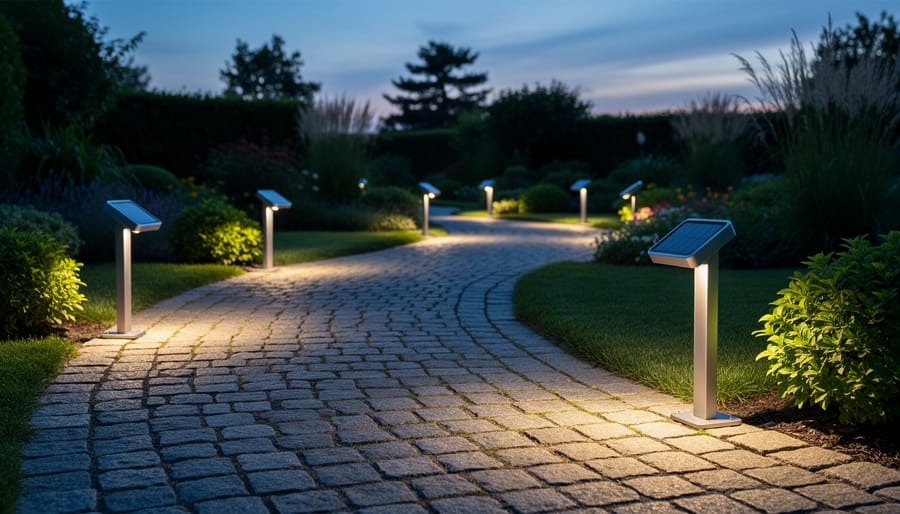
Solar-powered pathway and landscape lights represent the most accessible entry point for homeowners. These standalone units feature integrated photovoltaic panels that charge internal batteries during daylight hours, automatically illuminating outdoor spaces after dark. Contemporary models incorporate LED technology, delivering bright, consistent light throughout the night while requiring zero grid electricity. Installation is remarkably simple since no wiring is necessary, making them ideal for rental properties or DIY projects.
For security applications, solar-powered motion sensor lights provide dependable protection without increasing utility bills. These systems typically feature larger solar panels and battery capacities to ensure consistent operation even during cloudy periods. Many include adjustable sensitivity settings and customizable lighting modes, allowing you to balance security needs with energy conservation.
Hybrid systems represent the premium tier of sustainable outdoor lighting, combining solar energy with grid connectivity. These intelligent solutions prioritize renewable power while maintaining grid backup during extended periods of insufficient sunlight. This dual-source approach ensures uninterrupted operation for critical applications like commercial building perimeters or essential pathway lighting.
When selecting solar lighting, consider your geographic location and sun exposure. Areas receiving consistent sunlight achieve optimal performance, while shaded locations may benefit more from hybrid configurations. Battery quality significantly impacts longevity and performance, so prioritize systems featuring lithium-ion batteries over older nickel-cadmium technology. Professional consultation can help determine the most cost-effective solution for your specific environment and lighting requirements.
Choosing the Right Solution for Your Space
Residential Applications
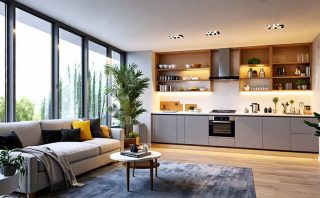
Transforming your home with sustainable lighting creates lasting environmental impact while reducing energy costs. In kitchens, LED under-cabinet fixtures provide excellent task lighting while using 75% less energy than traditional options, with many models offering adjustable color temperatures between 2700K and 5000K to match your activities. For living spaces, consider dimmable LED bulbs in table and floor lamps, allowing you to customize ambiance while maintaining efficiency. Smart lighting systems enable scheduling and remote control, preventing unnecessary energy waste.
Bedrooms benefit from warm-toned LEDs (2700K-3000K) that promote relaxation without sacrificing brightness. Look for ENERGY STAR certified fixtures that guarantee minimum efficiency standards. When comparing energy-efficient lighting options, pay attention to lumens per watt (efficacy) rather than just wattage, as higher efficacy means more light using less power.
Outdoor areas require weather-resistant LED fixtures for pathways, patios, and security lighting. Solar-powered options eliminate electricity costs entirely for landscape applications. Motion sensors paired with LED technology maximize savings while maintaining safety. Quality sustainable bulbs typically last 15,000-50,000 hours compared to 1,000 hours for incandescent alternatives, significantly reducing replacement frequency and maintenance costs throughout your home.
Commercial and Office Environments
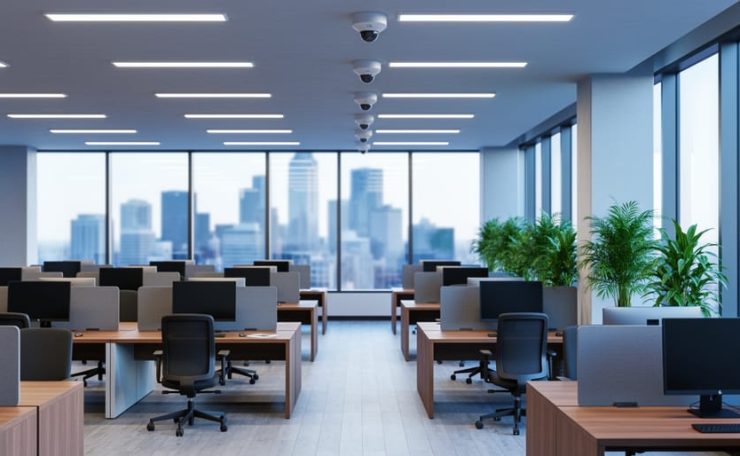
Commercial and office environments present unique opportunities for sustainable lighting improvements that deliver measurable returns. Modern workspaces require lighting that enhances employee productivity and wellbeing while reducing operational expenses, making LED technology the ideal solution for most applications.
The transition to LED lighting in commercial settings typically reduces energy consumption by 50-75% compared to traditional fluorescent fixtures. This translates to significant cost savings, particularly in spaces with extended operating hours. Beyond energy efficiency, LED systems generate less heat, reducing cooling costs during warmer months and creating more comfortable work environments.
Smart lighting controls amplify these benefits by automatically adjusting light levels based on occupancy and natural daylight availability. Daylight harvesting systems dim artificial lights near windows when sufficient sunlight is present, while occupancy sensors ensure lights operate only when spaces are in use. These technologies can reduce lighting energy use by an additional 30-40%.
Employee wellbeing is equally important. Tunable white LED systems allow you to adjust color temperature throughout the day, supporting natural circadian rhythms. Cooler light temperatures in the morning promote alertness, while warmer tones in the afternoon reduce eye strain and create a more relaxed atmosphere.
When planning a lighting upgrade, consider a comprehensive energy audit to identify the highest-impact improvements and available utility rebates that can offset initial investment costs.
Event and Specialty Lighting
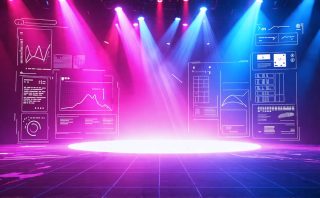
Temporary installations and special events present unique opportunities to showcase sustainability without sacrificing visual drama. Modern LED event lighting offers the perfect combination of environmental responsibility and stunning aesthetics, using up to 80% less energy than traditional stage and event lighting while producing virtually no heat.
Battery-powered LED uplighting and wireless fixtures eliminate the need for extensive cable runs and reduce setup waste, making them ideal for weddings, corporate events, and exhibitions. These rechargeable units can operate for 8-12 hours on a single charge and can be reused for hundreds of events, significantly reducing the environmental footprint compared to disposable or single-use alternatives.
For outdoor gatherings, solar-powered string lights and pathway markers provide ambiance without requiring electrical infrastructure. When selecting event lighting, prioritize fixtures with dimming capabilities and programmable controls to adjust intensity based on natural light conditions, further reducing energy consumption.
Consider partnering with rental companies that maintain sustainable practices, including proper recycling of retired equipment and energy-efficient transportation. Many event venues now require or incentivize the use of eco-friendly lighting solutions, making sustainable choices not just environmentally conscious but increasingly practical. By choosing reusable, energy-efficient fixtures, event planners can create memorable experiences while demonstrating a commitment to environmental stewardship that resonates with today’s environmentally aware audiences.
Installation and Retrofitting Strategies
Upgrading to sustainable lighting doesn’t have to be overwhelming. With the right approach, you can transform your existing lighting infrastructure efficiently while maximizing both environmental and financial benefits.
Start by conducting a comprehensive lighting audit of your space. Document each fixture type, bulb specification, and usage pattern. This inventory helps identify which areas will benefit most from immediate upgrades. High-use spaces like kitchens, offices, and retail floors should take priority, as they offer the quickest return on investment through energy savings.
When evaluating compatibility, check three essential factors: base type (such as E26 or GU10), dimmer compatibility, and fixture enclosure ratings. LED bulbs are available in virtually every traditional bulb configuration, making most retrofits straightforward. However, enclosed fixtures require LEDs specifically rated for that application to prevent overheating and premature failure.
For simple bulb replacements in standard sockets, DIY installation is perfectly manageable. Turn off power at the switch, allow existing bulbs to cool, and swap them directly for LED equivalents. This approach works well for table lamps, recessed cans with accessible trim, and basic ceiling fixtures.
Professional installation becomes valuable for more complex scenarios. Consider hiring an electrician when upgrading integrated fixtures, installing dimmer switches compatible with LED technology, or addressing any wiring concerns. Older homes may have electrical systems that benefit from professional assessment before major lighting transitions.
DonsBulbs consultation services bridge the gap between DIY uncertainty and professional expertise. Our lighting specialists help you navigate product selection based on your specific fixtures, aesthetic preferences, and performance requirements. We provide detailed compatibility assessments and can recommend trusted installation partners when needed.
For commercial retrofits or whole-home upgrades, our team develops phased implementation plans that align with your budget and operational needs. This strategic approach minimizes disruption while ensuring you select products that deliver consistent quality and long-term performance. Whether you’re replacing a single chandelier or outfitting an entire building, expert guidance ensures your sustainable lighting transition achieves the results you expect.
Maintenance and Longevity Best Practices
Investing in sustainable lighting is only part of the equation—proper maintenance ensures you realize the full environmental and financial benefits of your system. With the right care, LED bulbs can last 25,000 to 50,000 hours or more, translating to decades of reliable performance in many applications.
Start by keeping fixtures clean and dust-free. Accumulated dust and debris can reduce light output by up to 30% and cause heat buildup that shortens bulb lifespan. Gently wipe fixtures monthly with a soft, dry cloth, and ensure fixtures are cool before cleaning. For recessed lighting, verify that insulation hasn’t blocked ventilation, as proper airflow is essential for heat dissipation.
Use compatible dimmer switches if you’re installing dimmable LEDs. Standard dimmers designed for incandescent bulbs can cause flickering, buzzing, and premature failure in LED systems. When consulting with lighting professionals about your sustainable lighting project, ask specifically about dimmer compatibility to avoid these issues.
Monitor performance regularly. Dimming light output or color shifts indicate it’s time for replacement, even if the bulb hasn’t completely failed. Addressing these changes promptly maintains consistent illumination quality and energy efficiency.
When bulbs do reach end-of-life, responsible disposal is crucial. While LEDs don’t contain mercury like CFLs, they do contain electronic components that shouldn’t enter landfills. Many retailers and municipalities offer recycling programs specifically for LED bulbs and fixtures. CFLs require even more careful handling due to their mercury content—never dispose of them in regular trash. Check with local waste management agencies or visit Earth911.org to locate nearby recycling centers.
Finally, maintain documentation of your lighting installations, including purchase dates and warranty information. This helps you track performance, plan replacements strategically, and take advantage of manufacturer warranties if problems arise. These simple practices maximize your return on investment while minimizing environmental impact.
Making the switch to sustainable lighting solutions represents one of the simplest yet most impactful decisions you can make for both your bottom line and the environment. The evidence is clear: LED and other energy-efficient lighting technologies reduce electricity consumption by up to 90% compared to traditional incandescent bulbs while lasting significantly longer. This translates to lower utility bills month after month and fewer bulb replacements over time, creating a return on investment that typically materializes within the first year.
Beyond the financial advantages, sustainable lighting directly reduces your carbon footprint. Every energy-efficient bulb you install means less demand on power plants and fewer greenhouse gas emissions entering our atmosphere. Whether you’re illuminating a single room or an entire commercial facility, these collective choices contribute to meaningful environmental change.
The good news is that getting started doesn’t require extensive technical knowledge or a complete overhaul of your current systems. Start small with frequently used areas like kitchens, living rooms, or office spaces where you’ll notice the most immediate impact. From there, you can gradually transition additional spaces as existing bulbs reach the end of their lifespan.
At DonsBulbs, we understand that every space has unique lighting requirements. Our team offers personalized consultation services to help you navigate the options and select solutions perfectly suited to your specific needs, aesthetic preferences, and budget. Whether you’re a homeowner planning a room update, a designer specifying fixtures for a project, or a business owner evaluating facility-wide upgrades, we’re here to provide expert guidance every step of the way. Take the next step toward smarter, more sustainable lighting today.