 donald
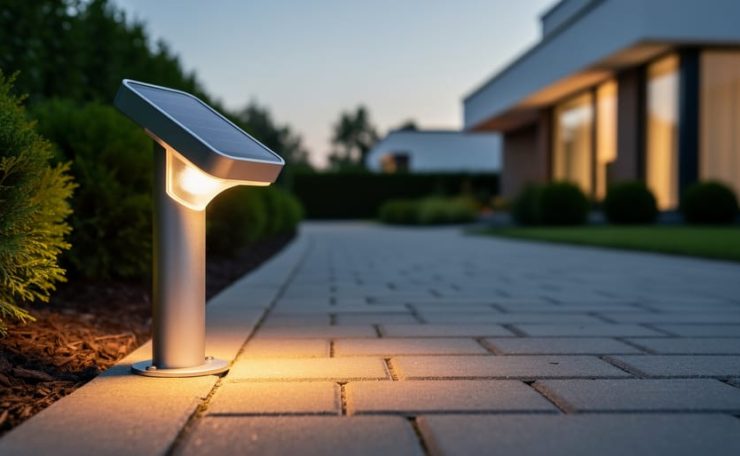
Soltech solar lighting systems combine photovoltaic technology with LED fixtures to deliver energy-independent illumination for residential landscapes, commercial properties, and architectural projects without trenching or ongoing electricity costs. These self-contained units harness daylight through integrated solar panels, store energy in rechargeable batteries, and automatically activate at dusk, making them an increasingly practical choice for pathway lighting, security applications, and decorative installations where grid access is costly or impractical.
The core appeal lies in economics and flexibility. Installation costs drop significantly when you eliminate electrical runs, permits, and labor for underground wiring. A typical solar pathway system pays for itself within two to three years through utility savings alone, while commercial-grade fixtures designed for parking areas or signage can offset installation expenses even faster. Modern Soltech smart solar units now feature adaptive brightness controls, motion sensors, and weatherproof construction rated for decades of outdoor exposure.
Performance has improved dramatically since early garden lights. Today’s systems use high-efficiency monocrystalline panels and lithium batteries that maintain charge through cloudy stretches and seasonal light variations. Lumen output rivals traditional low-voltage fixtures, with commercial units delivering 1,000+ lumens per head for security zones and accent lighting. The real question isn’t whether solar works but which configuration matches your site conditions, aesthetic requirements, and budget.
This article breaks down system types, real-world applications, cost benchmarks, and installation best practices so you can evaluate whether solar lighting fits your project. You’ll understand panel sizing, battery capacity, fixture placement strategies, and when to specify professional-grade components versus residential options. SOLTECH Solar Lighting Solutions has engineered systems for everything from residential driveways to municipal parks, and their technical expertise informs the guidance ahead.
What Makes SOLTECH Solar Lighting Different
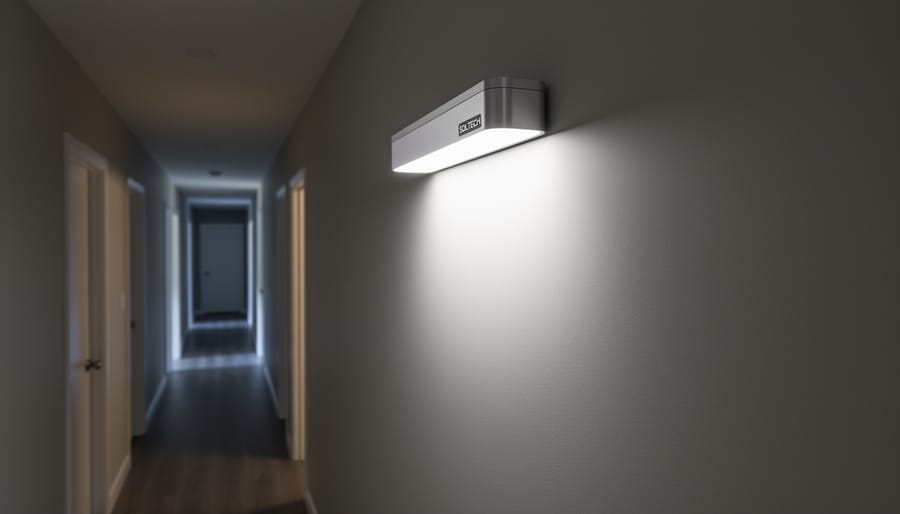
SOLTECH solar lighting operates on a deceptively simple principle: capture sunlight at the roof level and channel it directly into dark interior spaces below. Unlike traditional skylights that merely create an opening in the ceiling, these systems use specialized optical technology to redirect and distribute natural light with precision.
At the heart of every SOLTECH system lies a rooftop dome collector. This weatherproof component captures sunlight throughout the day, regardless of the sun’s position in the sky. The dome is engineered from impact-resistant acrylic or polycarbonate materials that filter UV rays while allowing visible light to pass through. Below the collector sits the core innovation: a highly reflective tube or light pipe with a reflectivity rating exceeding 98%. This mirror-finish tubing bends and transports sunlight from the roof through attics, crawl spaces, or between floors without any loss of intensity that you’d see in conventional light shafts.
The system’s key components work together to deliver consistent illumination:
- Weatherproof dome collector that captures and concentrates sunlight from multiple angles
- Highly reflective tubing (typically 10 to 21 inches in diameter) that transports light vertically or at angles through building cavities
- Interior diffuser lens that distributes light evenly across the room, eliminating harsh spots or glare
- Adjustable extension tubes and angle adapters for flexible routing around structural obstacles
- Integrated flashing and sealing systems that prevent water intrusion and air leakage
What sets SOLTECH apart from basic tubular skylights is the precision engineering behind light distribution. The interior diffuser doesn’t just release light; it spreads it in controlled patterns that mimic the quality of a traditional window. This means you get soft, natural illumination that changes with the time of day and weather conditions, creating a dynamic lighting environment that no electric fixture can replicate.
The entire system requires zero electrical wiring, no ongoing power consumption, and minimal maintenance once installed.
Real-World Applications for Your Space
Residential Installations
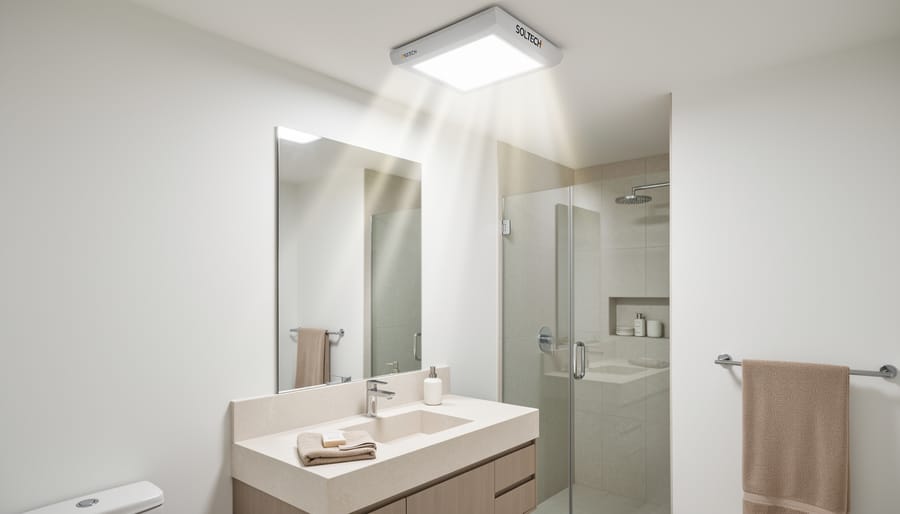
Homeowners discover that SOLTECH solar lighting transforms previously unusable interior spaces into bright, welcoming areas without running electrical wiring or increasing energy bills. The systems excel in those challenging spots where traditional windows aren’t feasible, interior hallways that stretch through the center of a home, basement staircases that would otherwise rely entirely on artificial light, and walk-in closets where natural illumination makes selecting clothing easier and more accurate.
The most impactful residential applications include:
- Long interior hallways connecting bedrooms or running through multi-story homes
- Basement stairwells and finished basement living spaces
- Master closets and dressing rooms requiring accurate color rendering
- Interior bathrooms without exterior walls
- Home offices in converted spaces lacking window access
- Laundry rooms and mudrooms in the center of floor plans
Design considerations center on placement that maximizes daylight capture while maintaining the home’s exterior aesthetic. SOLTECH systems integrate seamlessly with existing architectural styles, the rooftop collectors can match surrounding roofing materials, and interior diffusers come in various finishes that complement contemporary, traditional, or transitional decor. Many homeowners align their SOLTECH installations with current lighting trends by pairing solar systems with dimmable LED fixtures for evening use, creating layered lighting schemes that adapt throughout the day.
The aesthetic integration extends beyond mere functionality, properly positioned SOLTECH systems become architectural features themselves, with diffusers that can serve as ceiling focal points while flooding spaces with the quality of natural outdoor light that dramatically improves how colors, textures, and finishes appear throughout the room.
Commercial and Office Environments
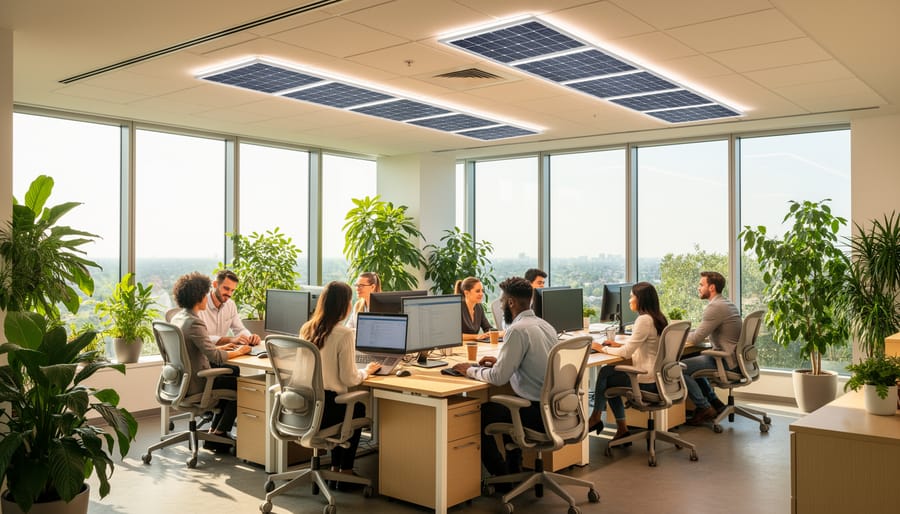
In commercial settings, SOLTECH solar lighting systems address two critical business objectives: cutting operational costs and creating healthier work environments. Office buildings with deep floor plates, where interior workstations sit far from windows, benefit significantly from solar tubes that bring daylight to previously dim cubicles and conference rooms. Studies consistently show that access to natural light reduces eye strain, headaches, and afternoon fatigue among employees, translating to measurable productivity gains.
Retail environments use SOLTECH systems strategically to showcase merchandise under true daylight color rendering. Clothing boutiques, art galleries, and showrooms particularly value this application because artificial lighting can distort colors and textures, affecting purchasing decisions. Unlike electric track lighting that generates heat and drives up cooling costs, solar lighting delivers illumination without thermal load.
Warehouses and manufacturing facilities represent another high-impact application. These spaces typically rely on rows of fluorescent or LED high-bay fixtures that consume substantial electricity throughout daylight hours. Installing SOLTECH solar lighting in strategic zones can offset a significant portion of this electrical demand while improving visibility for quality control and safety.
Educational institutions and healthcare facilities prioritize natural light for its documented effects on learning outcomes and patient recovery rates. School hallways, interior classrooms, hospital corridors, and waiting areas that previously depended entirely on artificial sources can now receive daylight even when positioned in building cores away from exterior walls.
The return on investment in commercial applications accelerates because these buildings operate longer hours than residences, maximizing the daily energy savings from daylighting systems.
The Health and Wellness Benefits of Natural Light Indoors
Natural daylight does more than illuminate a room, it plays a fundamental role in human health that electric lighting simply cannot replicate. When SOLTECH solar lighting brings genuine sunlight into interior spaces, it delivers the full spectrum of wavelengths your body needs to regulate essential biological functions.
Your circadian rhythm, the internal clock governing sleep-wake cycles, depends on exposure to natural light patterns throughout the day. Blue-rich morning light signals your brain to suppress melatonin production and increase alertness, while the warmer tones of afternoon sun prepare your body for evening rest. Artificial lighting, even high-quality LED bulbs, lacks the dynamic spectral changes that occur naturally as the sun moves across the sky. Studies consistently show that workers in daylit environments fall asleep faster and report better sleep quality than those under artificial lighting all day.
The mood and productivity benefits are equally measurable. Natural light exposure increases serotonin levels, the neurotransmitter associated with feelings of well-being and focus. Office workers with access to natural light report 51% less eyestrain, 63% fewer headaches, and 56% less drowsiness compared to colleagues working under artificial lighting alone. These aren’t minor improvements, they translate to fewer sick days, higher job satisfaction, and measurably better work output.
For spaces where windows aren’t possible, SOLTECH systems bridge the gap between completely artificial environments and naturally lit rooms. Unlike electric lights that provide static illumination, solar lighting systems deliver real sunlight that changes in intensity and color temperature throughout the day, maintaining your connection to natural light cycles even in interior rooms.
The vitamin D synthesis that occurs with direct sun exposure requires UVB rays, which SOLTECH systems filter out for safety. However, the psychological benefits of natural light, improved mood, reduced seasonal affective disorder symptoms, and enhanced cognitive function, remain fully intact, making these systems particularly valuable during winter months when outdoor time is limited.
Cost Analysis: Investment vs. Long-Term Savings
Understanding the true cost of SOLTECH solar lighting requires looking beyond the purchase price. While the initial investment typically ranges from $1,500 to $3,500 per unit depending on system size and complexity, this upfront cost delivers decades of illumination without adding a penny to your electricity bill. Compare that to traditional electric lighting in the same space, which costs virtually nothing to install but creates ongoing expenses every single month.
| Cost Factor | SOLTECH Solar Lighting | Traditional Electric Lighting |
|---|---|---|
| Initial Installation | $2,000, $3,000 | $200, $500 |
| Annual Energy Cost | $0 | $75, $150 |
| 10-Year Maintenance | $50, $100 | $200, $400 (bulb replacements) |
| 10-Year Total Cost | $2,050, $3,100 | $1,150, $2,400 |
The numbers in this comparison chart reveal the crossover point. Most SOLTECH installations reach cost parity with electric lighting within 12 to 18 years, after which every year represents pure savings. For a system with a 30-year lifespan, you’re looking at substantial cumulative savings in the second half of its life.
The energy advantage becomes clearer when you consider that a typical SOLTECH unit replaces fixtures that would consume 300 to 500 watts during daytime hours. At current electricity rates averaging $0.14 per kilowatt-hour, that translates to $50 to $125 in annual savings per installation. Multiply that across multiple units in a commercial building, and the impact on operating budgets becomes significant.
Maintenance costs favour SOLTECH dramatically. The sealed dome design requires nothing more than occasional cleaning, similar to washing a window. Electric lighting demands regular bulb replacements, ballast repairs, and fixture updates. Even with LED energy savings factored in, you’re still paying for electricity and eventual LED module replacement.
Property value presents another financial dimension. Real estate appraisers increasingly recognize natural lighting features as premium amenities. SOLTECH installations often add more to resale value than they cost, particularly in markets where buyers prioritize sustainability and wellness features.
The calculation shifts dramatically in commercial applications where lighting runs 10 to 12 hours daily. Here, payback periods can shrink to 8 to 10 years, making SOLTECH a sound financial decision purely on operating cost reduction, before considering tenant satisfaction or productivity benefits.
Installation Considerations and Professional Guidance
Installing SOLTECH solar lighting isn’t a weekend DIY project, it requires careful planning and professional expertise to get right. Before moving forward with installation, you’ll need to assess several critical factors that determine both feasibility and performance.
Your roof structure matters more than you might think. SOLTECH systems require adequate roof access where the collector dome sits, unobstructed southern exposure (in the Northern Hemisphere), and sufficient structural support to bear the equipment weight. The pitch and material of your roof affect installation complexity and costs. Additionally, the path from roof to interior space must accommodate the light tube without cutting through critical support beams or HVAC systems.
Local building codes and permits govern solar lighting installations just like windows or skylights. Most jurisdictions require permits for roof penetrations, and installation must meet energy code requirements and fire safety standards. Failing to secure proper permits can create problems during home sales or insurance claims.
The distance between your roof and the target interior space directly impacts light transmission efficiency. Longer tube runs with multiple bends reduce light output significantly. Professional installers use lighting design software to calculate optimal placement and predict actual light levels in your space, ensuring you get the performance you expect.
This is where expert consultation becomes invaluable. A qualified lighting designer or SOLTECH-certified installer will conduct a site assessment, identify the best locations based on your roof orientation and interior layout, calculate expected light output for your specific configuration, and coordinate with contractors to ensure proper installation. They’ll also help you understand realistic performance expectations for your climate and building conditions.
Attempting installation without professional guidance often results in poor light distribution, unexpected structural modifications, or systems that underperform because they’re poorly positioned. The upfront investment in expert planning protects your larger installation investment and ensures you actually achieve the natural lighting benefits you’re seeking.
Common Questions About SOLTECH Solar Lighting
Most homeowners considering SOLTECH solar lighting have similar questions about how these systems perform under different conditions. Here are the answers to the most common concerns:
Does SOLTECH solar lighting work on cloudy days?
Yes, SOLTECH systems capture and redirect available daylight even on overcast days, though the light intensity will naturally be reduced compared to bright sunshine. The diffused light on cloudy days still provides significant illumination and maintains the natural light quality that benefits circadian rhythm and mood.
What happens at night or in complete darkness?
SOLTECH solar lighting systems don’t provide illumination after sunset since they rely on natural daylight. Most installations pair these systems with traditional electric lighting for nighttime use, creating a hybrid approach that maximizes natural light during the day while maintaining functionality after dark.
How much maintenance do these systems require?
SOLTECH systems need minimal maintenance, typically just cleaning the exterior dome and interior diffuser once or twice annually to remove dust and debris. The sealed design prevents moisture infiltration, and there are no bulbs to replace or electrical components to service.
Can SOLTECH lighting integrate with my existing light fixtures?
SOLTECH systems complement rather than replace existing electrical lighting. They work independently but can be positioned strategically to reduce reliance on overhead fixtures and table lamps during daylight hours, creating a layered lighting design that transitions smoothly from natural to artificial light.
How does performance vary in different climates?
SOLTECH systems perform well across diverse climates, from sunny Arizona to cloudier Pacific Northwest regions. Northern latitudes receive less intense winter sunlight, which affects brightness levels, but the systems still deliver meaningful natural light year-round that traditional windowless spaces would otherwise lack.
The beauty of these systems lies in their simplicity. Without moving parts or complex electronics, SOLTECH solar lighting delivers reliable performance season after season with far less upkeep than conventional fixtures that require regular bulb changes and fixture cleaning.
SOLTECH solar lighting represents more than just another way to illuminate your space, it’s a fundamental shift in how we think about bringing natural light indoors. For homeowners dealing with perpetually dark hallways, windowless bathrooms, or gloomy basement areas, these systems offer a solution that electric fixtures simply can’t match. The health benefits alone, improved sleep cycles, better mood regulation, increased productivity, make a compelling case beyond the energy savings.
This technology makes the most sense when you’re working with interior spaces that lack direct window access but have feasible roof access above them. It’s particularly valuable in scenarios where running additional electrical wiring would be costly or impractical, or where you’re committed to reducing your building’s energy footprint. Commercial spaces with high occupancy rates see some of the strongest returns on investment, though residential applications deliver quality-of-life improvements that transcend simple cost calculations.
That said, SOLTECH systems aren’t the right fit for every situation. Spaces requiring consistent light levels after sunset, buildings with complex roof structures, or locations with severe shading issues may need hybrid approaches or alternative solutions.
The best first step? Consult with a lighting design professional who can assess your specific space, roof conditions, and lighting needs. At DonsBulbs, we’ve helped countless clients navigate these decisions, balancing aesthetic goals with practical requirements to determine whether SOLTECH solar lighting will deliver the results you’re hoping for. Your space deserves lighting that works, let’s figure out together what that looks like.