 donald
Outdoor lighting has evolved far beyond simple path illumination, transforming into a sophisticated design element that enhances architecture, extends living spaces, and reduces energy consumption by up to 75% with modern LED technology. The 2023 landscape reveals a decisive shift toward smart integration, sustainable solutions, and layered illumination strategies that homeowners and design professionals can implement immediately.
Current lighting trends emphasize three primary movements reshaping exterior spaces. First, wireless control systems now dominate installations, allowing users to adjust brightness, color temperature, and scheduling from mobile devices without extensive rewiring. Second, dark sky-friendly fixtures that minimize light pollution have become standard specifications, combining downward-directed beams with warmer color temperatures (2700K-3000K) that preserve nighttime aesthetics while maintaining visibility. Third, architectural accent lighting has replaced generic flood lighting, with linear LED strips and compact spotlights highlighting textures, columns, and landscaping features to create dimensional visual interest after sunset.
These advancements reflect broader consumer priorities: energy efficiency, environmental responsibility, and seamless integration with smart home ecosystems. Understanding these trends empowers you to make informed decisions that balance aesthetic goals with practical performance, whether upgrading a residential patio or designing comprehensive commercial exterior lighting schemes. The following analysis breaks down each major trend with specific implementation guidance and product considerations.
Smart Outdoor Lighting Takes Center Stage
Seamless Integration with Home Ecosystems
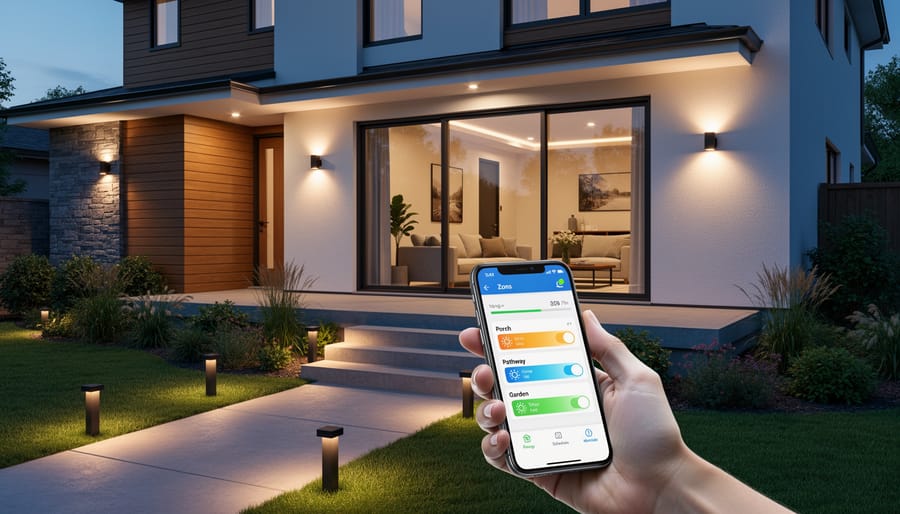
Today’s outdoor lighting solutions seamlessly connect with popular smart home platforms including Amazon Alexa, Google Home, and Apple HomeKit, creating a truly unified control experience. This integration allows homeowners to manage their exterior lighting alongside indoor systems, thermostats, and security devices through a single interface—whether that’s a smartphone app or voice command.
The benefits of these integrated smart lighting systems extend beyond convenience. Unified control enables sophisticated automation scenarios, such as coordinating outdoor lights with sunset times, motion sensors, and vacation modes. Homeowners can create customized scenes that adjust both interior and exterior lighting simultaneously for entertaining or security purposes.
For professionals specifying lighting systems, compatibility with existing smart home infrastructure has become a critical consideration. Modern outdoor fixtures now feature built-in connectivity options or work with universal smart switches that integrate with multiple platforms. This flexibility ensures that lighting upgrades complement rather than complicate existing home ecosystems, providing clients with intuitive control and maximizing their investment in smart home technology. The result is a cohesive lighting experience that enhances both functionality and lifestyle.
Scheduling and Motion-Sensing Capabilities
Smart automation has transformed outdoor lighting from simple on-off systems to intelligent networks that adapt to your lifestyle. Motion-sensing technology now allows fixtures to detect movement and adjust brightness accordingly, providing enhanced security while conserving energy. When someone approaches your entryway or walks through your garden, lights automatically illuminate the path and gradually dim once the area is no longer occupied.
Scheduling capabilities enable you to program your outdoor lighting to operate during specific hours, ensuring your property remains well-lit during evening hours without manual intervention. Modern systems can also integrate photocells (light sensors) that detect natural light levels, automatically turning lights on at dusk and off at dawn. This eliminates the guesswork and ensures consistent performance regardless of seasonal changes.
These automated solutions offer both convenience and cost savings. By illuminating spaces only when needed, you reduce unnecessary energy consumption while maintaining optimal security coverage. Many systems can be controlled through smartphone apps, allowing you to adjust schedules, create custom lighting scenes, and monitor your outdoor lighting from anywhere. For homeowners seeking professional guidance on implementing these technologies, consulting with lighting experts can help identify the most effective automation strategies for your specific property layout and security needs.
Warm, Layered Lighting for Outdoor Living Spaces
The Move Away from Cool, Harsh Lighting
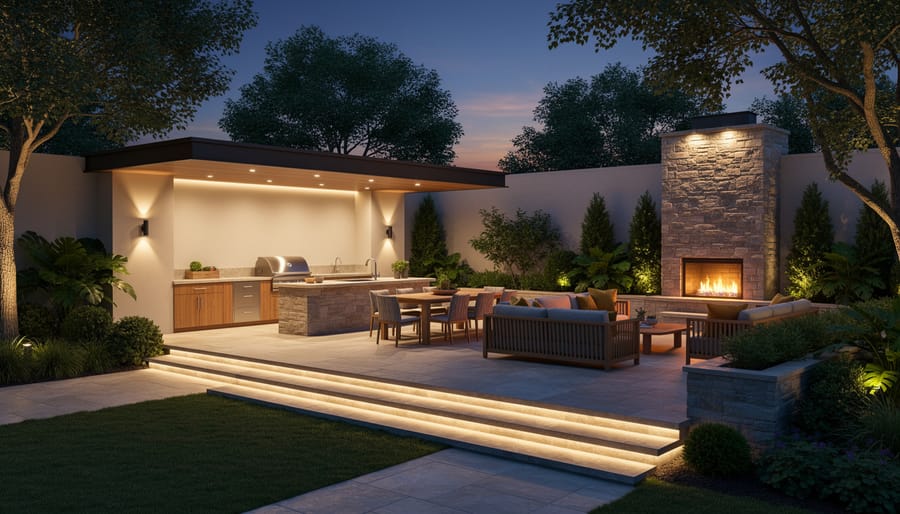
The outdoor lighting landscape is experiencing a significant shift away from the stark, blue-toned illumination that dominated previous years. Today’s homeowners are gravitating toward warmer color temperatures, specifically in the 2700K-3000K range, creating outdoor environments that feel inviting and comfortable rather than clinical and cold.
This transition reflects a growing understanding that outdoor spaces serve as extensions of the home’s interior. Cool lighting, typically above 4000K, can create harsh shadows and an unwelcoming atmosphere that discourages people from lingering outdoors. The bluish cast also distorts natural colors, making plantings, wood finishes, and stonework appear less vibrant.
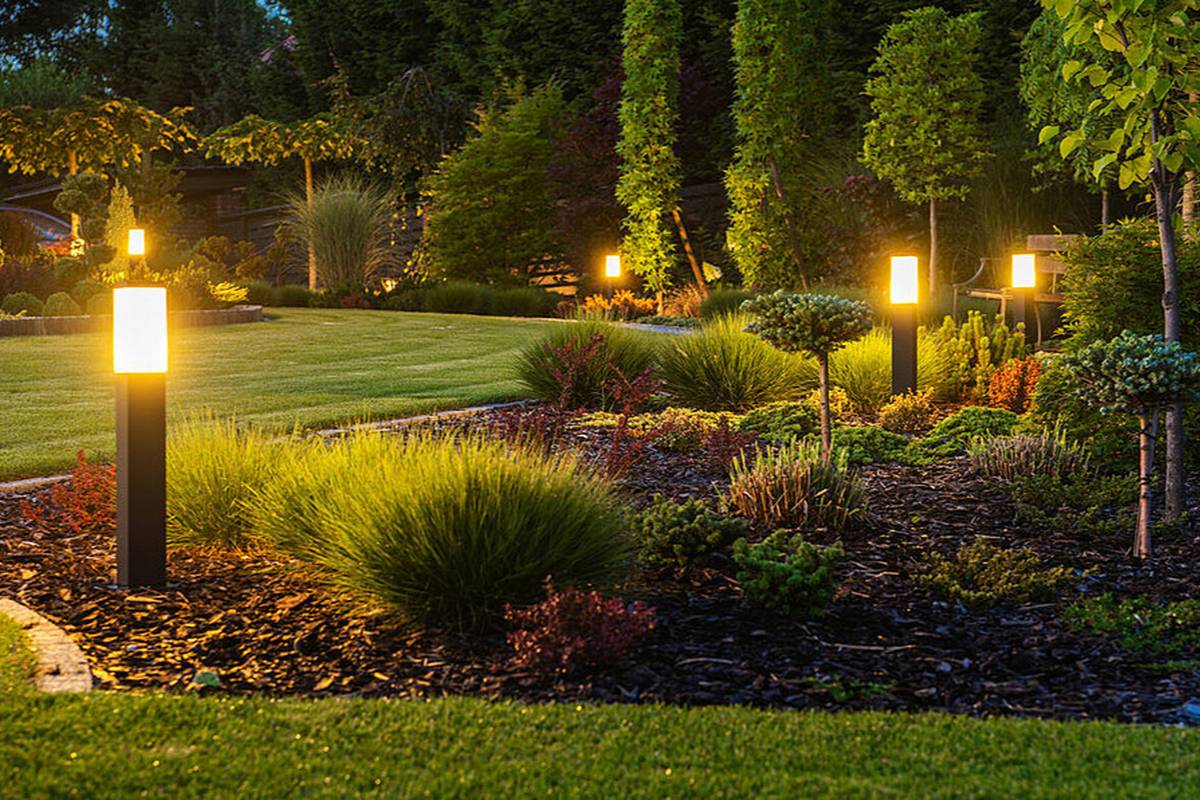
Warmer temperatures in the 2700K-3000K spectrum produce a soft, amber-toned glow that mimics candlelight and traditional incandescent bulbs. This creates a relaxed ambiance perfect for evening entertaining, dining, and unwinding. The gentle illumination enhances natural materials, brings out warm tones in landscaping, and reduces eye strain during extended outdoor activities.
Proper color temperature selection also impacts functionality. Warmer lighting supports the body’s natural circadian rhythms better than cool-toned options, making outdoor spaces more conducive to relaxation during evening hours. For homeowners seeking to maximize their outdoor living experience, this shift toward warmth represents both aesthetic improvement and practical wellness consideration.
Architectural and Landscape Highlighting
Up-Lighting vs. Down-Lighting Techniques
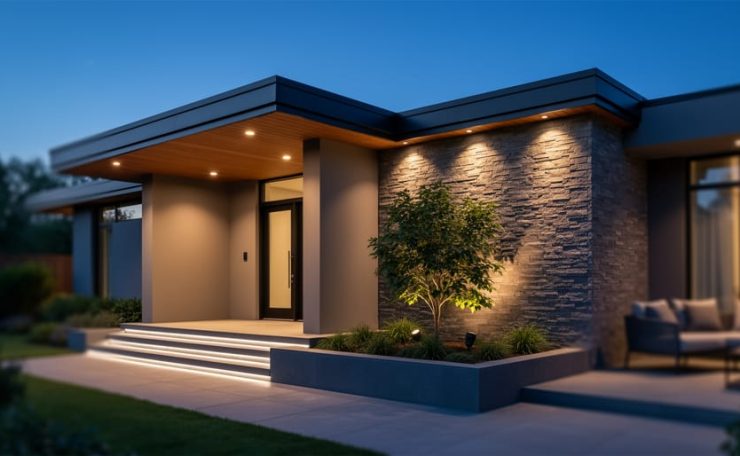
Understanding the difference between up-lighting and down-lighting is essential for creating layered, dynamic outdoor spaces in 2023. Up-lighting, which involves placing fixtures at ground level to direct light upward, creates dramatic visual effects by highlighting architectural features, tree canopies, and focal points like sculptures or textured walls. This technique adds depth and dimension to your landscape, making features appear taller and more prominent. Modern uplighting techniques often incorporate adjustable LED fixtures that allow you to customize beam angles and color temperatures for different seasonal displays.
Down-lighting, conversely, mimics natural moonlight by mounting fixtures higher up—in trees, on eaves, or pergolas—to cast light downward. This approach provides functional illumination for pathways, patios, and seating areas while creating soft, welcoming shadows. Down-lighting works particularly well for safety and ambient lighting needs.
The 2023 trend emphasizes combining both techniques strategically. Layering up-lights for visual drama with down-lights for practicality creates balanced, professional-looking designs. Consider using warm-toned LEDs (2700K-3000K) for residential applications to maintain an inviting atmosphere. Professional consultation can help determine the optimal fixture placement and wattage for your specific landscape features.
Sustainable and Energy-Efficient Solutions
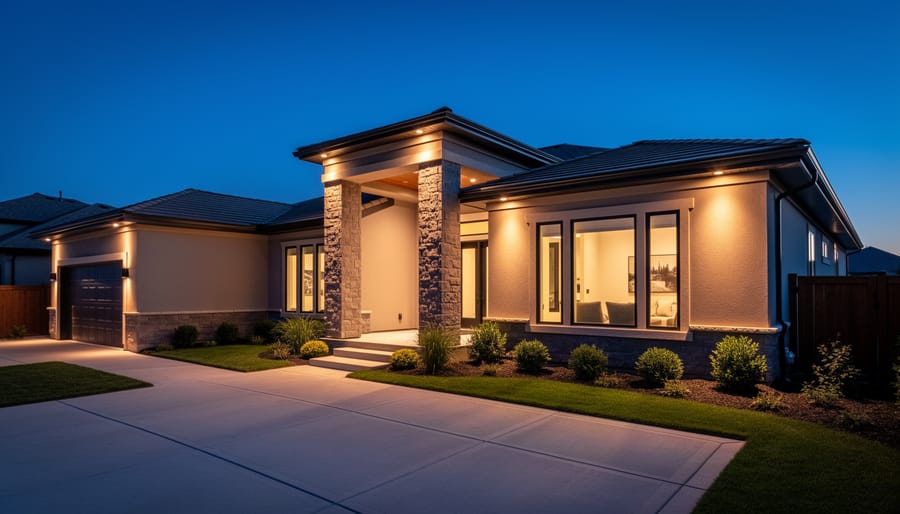
The shift toward sustainable outdoor lighting solutions has become a defining characteristic of 2023, driven by both environmental consciousness and the desire to reduce long-term operational costs. LED technology continues to dominate the market, offering homeowners and businesses unparalleled efficiency compared to traditional incandescent or halogen alternatives. These advanced fixtures consume up to 75% less energy while delivering superior illumination quality, making them an intelligent investment for anyone looking to modernize their outdoor spaces.
Solar-powered lighting options have evolved significantly, moving beyond basic pathway markers to sophisticated, design-forward fixtures that rival their hardwired counterparts. Modern solar lights feature improved battery capacity and photovoltaic cells that charge efficiently even in partially shaded conditions. This technology eliminates installation complexity and ongoing electricity costs, making it particularly attractive for landscape accents, garden features, and remote areas where running electrical lines would be impractical or expensive.
Energy-efficient fixtures now incorporate smart features like motion sensors, daylight harvesting, and programmable schedules that optimize performance while minimizing waste. These intelligent systems adjust brightness based on activity levels and ambient light conditions, ensuring you only use energy when and where it’s needed. For commercial properties, this translates to substantial utility savings, while homeowners appreciate the environmental benefits without sacrificing functionality or aesthetic appeal. The combination of LED efficiency, solar innovation, and smart controls creates a comprehensive approach to sustainable outdoor lighting that benefits both your budget and the planet.
Minimalist Fixture Design and Hidden Light Sources
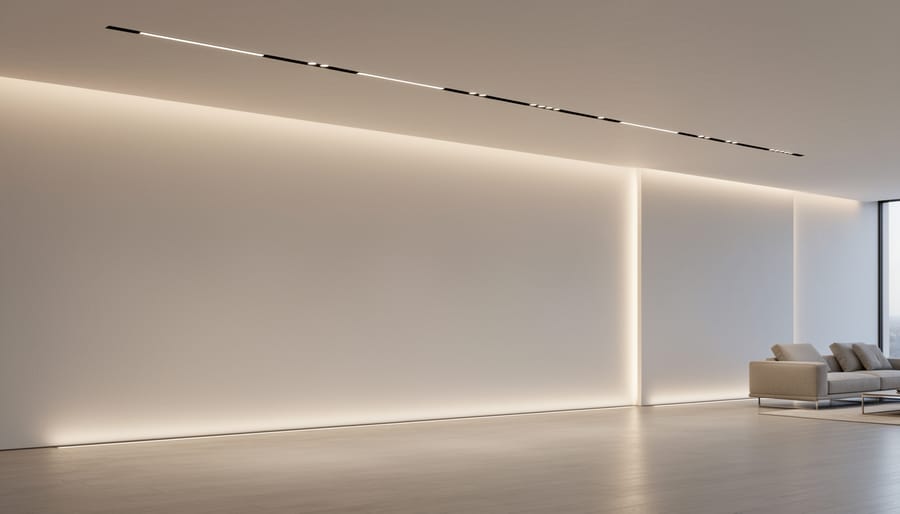
The shift toward minimalist fixture design represents one of 2023’s most sophisticated outdoor lighting trends, where the goal is simple: let the light shine, not the hardware. This aesthetic philosophy prioritizes the illumination effect itself while concealing or minimizing the visibility of light sources and fixtures.
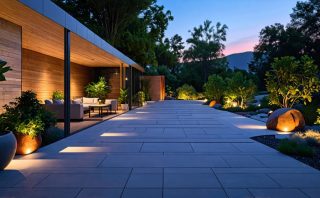
Hidden light sources, also called recessed or concealed lighting, integrate seamlessly into architectural elements rather than calling attention to themselves. Think fixtures tucked beneath deck railings, lights embedded flush within stone walls, or illumination hidden behind landscape features. The result creates an almost magical ambiance where spaces appear to glow naturally without obvious equipment cluttering the visual landscape.
This trend serves both aesthetic and practical purposes. Visually, minimalist fixtures maintain clean sight lines and preserve architectural integrity, especially important in contemporary and modern design schemes. From a functionality standpoint, concealed fixtures reduce visual clutter during daylight hours when lights aren’t in use, allowing your outdoor space to maintain its intended design aesthetic around the clock.
Popular applications include recessed step lights that provide safety illumination without protruding hardware, linear LED strips hidden within pergola beams, and in-ground well lights with flush-mounted covers that disappear into hardscaping. Pathway lighting now frequently uses small, dark-finished fixtures or even bollards that blend into surrounding landscaping rather than standing out as focal points.
When implementing this trend, work with a lighting professional who can help identify strategic placement opportunities. The key is planning fixture locations during the design or renovation phase, as many concealed installations require integrated construction. This approach demands more upfront planning but delivers a sophisticated, timeless result that emphasizes your landscape’s natural beauty rather than the technology illuminating it.
Dynamic Color-Changing Capabilities
One of the most transformative outdoor lighting trends this year is the integration of dynamic color-changing technology. Tunable white lighting allows you to adjust the color temperature of your fixtures—from warm amber hues perfect for intimate evening gatherings to crisp, cool whites that enhance visibility and security. This flexibility means your outdoor space can adapt seamlessly to different occasions without requiring multiple fixture installations.
RGB (red, green, blue) lighting takes customization even further by offering a full spectrum of colors. Homeowners are increasingly using these systems to celebrate holidays, create themed party atmospheres, or simply match seasonal moods. For example, you might choose soft blue tones for summer poolside relaxation or warm orange hues for autumn gatherings around the fire pit.
Modern smart lighting systems make controlling these color-changing capabilities remarkably simple. Through smartphone apps or voice commands, you can create preset scenes for different occasions—dinner parties, movie nights, or holiday celebrations—and activate them instantly. Many systems also offer scheduling features, allowing your outdoor lighting to automatically adjust throughout the evening.
The practical benefits extend beyond aesthetics. Research shows that adjustable color temperatures can influence mood and functionality. Warmer tones create relaxing environments ideal for unwinding, while cooler temperatures provide better visibility for tasks like grilling or outdoor games.
When considering color-changing options, consult with a lighting professional to ensure proper fixture placement and system compatibility. The initial investment typically pays dividends through the versatility these systems provide, eliminating the need for seasonal fixture replacements or multiple lighting installations.
Dark Sky-Compliant Lighting Solutions
The outdoor lighting industry has embraced an important environmental initiative in 2023: Dark Sky compliance. This movement addresses the growing concern over light pollution, which affects not only our ability to see stars but also disrupts wildlife behavior and wastes energy.
Dark Sky-compliant fixtures follow guidelines established by the International Dark-Sky Association (IDA), which recommend specific design features to minimize environmental impact. These fixtures incorporate fully shielded designs that prevent light from escaping upward or sideways, directing all illumination downward where it’s actually needed. This targeted approach reduces unnecessary brightness that spills into the night sky while improving visibility on pathways, patios, and landscaping.
The practical benefits extend beyond environmental stewardship. Properly shielded fixtures eliminate harsh glare that can be uncomfortable for you and your neighbors, creating a more pleasant outdoor experience. They also reduce wasted light, which translates directly to lower energy consumption and decreased utility costs.
When selecting Dark Sky-compliant lighting, look for fixtures with the IDA Fixture Seal of Approval or those specifically marketed as fully shielded. These products typically feature enclosed designs with flat or recessed lenses and warm color temperatures (3000K or lower), which are less disruptive to nocturnal ecosystems.
Implementing this trend doesn’t require sacrificing aesthetics. Modern Dark Sky-compliant options come in various contemporary and traditional styles, from sleek pathway bollards to elegant post lanterns. The key is choosing fixtures that combine responsible design with the visual appeal that complements your outdoor space while protecting the nighttime environment for future generations.
Implementing These Trends in Your Outdoor Space
Transforming your outdoor space with 2023’s lighting trends doesn’t require a complete overhaul. A strategic, phased approach allows you to modernize your exterior lighting while managing costs and minimizing disruption.
Begin by scheduling a consultation with a lighting professional who can assess your property’s unique characteristics, including architectural features, landscape elements, and existing electrical infrastructure. This initial investment, typically ranging from $150-$500 depending on property size, provides a customized roadmap that prevents costly mistakes and ensures proper system integration.
Budget considerations should account for both immediate upgrades and future expansions. Smart lighting systems, while requiring higher upfront costs ($300-$2,000 per zone), deliver long-term savings through energy efficiency and reduced maintenance. Consider allocating 60% of your budget to high-impact areas like entryways and outdoor living spaces, with the remaining 40% reserved for accent and pathway lighting.
For successful implementation, follow this proven sequence:
- Assess your current outdoor lighting setup and identify areas needing improvement or replacement
- Prioritize spaces based on usage frequency and safety requirements, starting with main pathways and entries
- Choose compatible smart lighting systems that can communicate with each other and your home automation platform
- Plan installation timing to minimize landscape disruption, ideally before peak growing seasons
- Test the complete system at different times and adjust brightness levels, color temperatures, and timing schedules
A phased implementation strategy spreads costs over 12-24 months while allowing you to evaluate each upgrade’s effectiveness. Start with essential security and safety lighting, then progress to aesthetic enhancements like landscape accents and architectural highlighting. This methodical approach ensures each phase complements the next, creating a cohesive lighting design that evolves with your needs and budget.
The outdoor lighting landscape of 2023 represents a remarkable convergence of innovation, environmental responsibility, and aesthetic excellence. This year’s trends demonstrate that homeowners and businesses no longer need to compromise between functionality and beauty, or between cutting-edge technology and sustainability. From smart lighting systems that respond to your lifestyle to energy-efficient LEDs that reduce environmental impact, these advancements are transforming exterior spaces into safer, more inviting environments.
Solar-powered fixtures, wireless controls, and integrated landscape designs have made professional-quality outdoor lighting more accessible than ever. The emphasis on warm color temperatures and layered illumination creates ambiance while serving practical security and navigation purposes. Meanwhile, minimalist fixture designs ensure that lighting complements architectural elements rather than overwhelming them.
Implementing these trends effectively requires thoughtful planning and expert guidance. Working with experienced lighting professionals ensures that your investment delivers lasting value through proper placement, appropriate fixture selection, and integration with existing systems. DonsBulbs brings extensive expertise in translating these modern outdoor lighting trends into customized solutions tailored to your specific property needs. Our team stays current with technological advancements and design innovations to help you create exterior spaces that are both functional and visually stunning for years to come.