 donald
UVC LED disinfection technology has moved beyond laboratory settings and into homes, offices, and commercial spaces across the country. This chemical-free method destroys bacteria, viruses, and mold at the DNA level, offering continuous protection without the residue or harsh fumes of traditional cleaning products.
The science is straightforward: UVC light in the 260-280 nanometer range disrupts the genetic material of microorganisms, rendering them unable to reproduce or cause infection. Unlike mercury-based UVC lamps that require careful handling and disposal, LED versions turn on instantly, run cooler, and last up to 50,000 hours. That translates to years of consistent disinfection with minimal maintenance.
For homeowners and business owners evaluating whether this technology fits their needs, the advantages go beyond simple cleanliness. UVC LED systems integrate seamlessly into existing HVAC units, under-cabinet fixtures, and portable devices, making them adaptable to nearly any application. They’re particularly valuable in high-touch environments like medical offices, restaurants, and schools where surface contamination remains a persistent concern.
The economic case strengthens when you factor in long-term savings. While upfront costs run higher than conventional cleaning methods, the elimination of recurring chemical purchases and reduced labor for manual sanitization create a compelling return on investment within 18 to 24 months for most commercial applications.
As lighting trends continue shifting toward multifunctional solutions, UVC LED disinfection technology represents a practical convergence of illumination and health protection. The technology delivers measurable results without disrupting daily operations, making it a serious consideration for anyone prioritizing safety and efficiency in 2026.
Superior Safety Compared to Traditional UVC Methods
Traditional mercury-vapor UVC lamps have disinfected hospitals and water treatment plants for decades, but they carry hazards that make them impractical for homes and many commercial spaces. UVC LED disinfection systems eliminate these risks while delivering the same germ-killing power, making this technology a safer choice for any environment where people live and work.
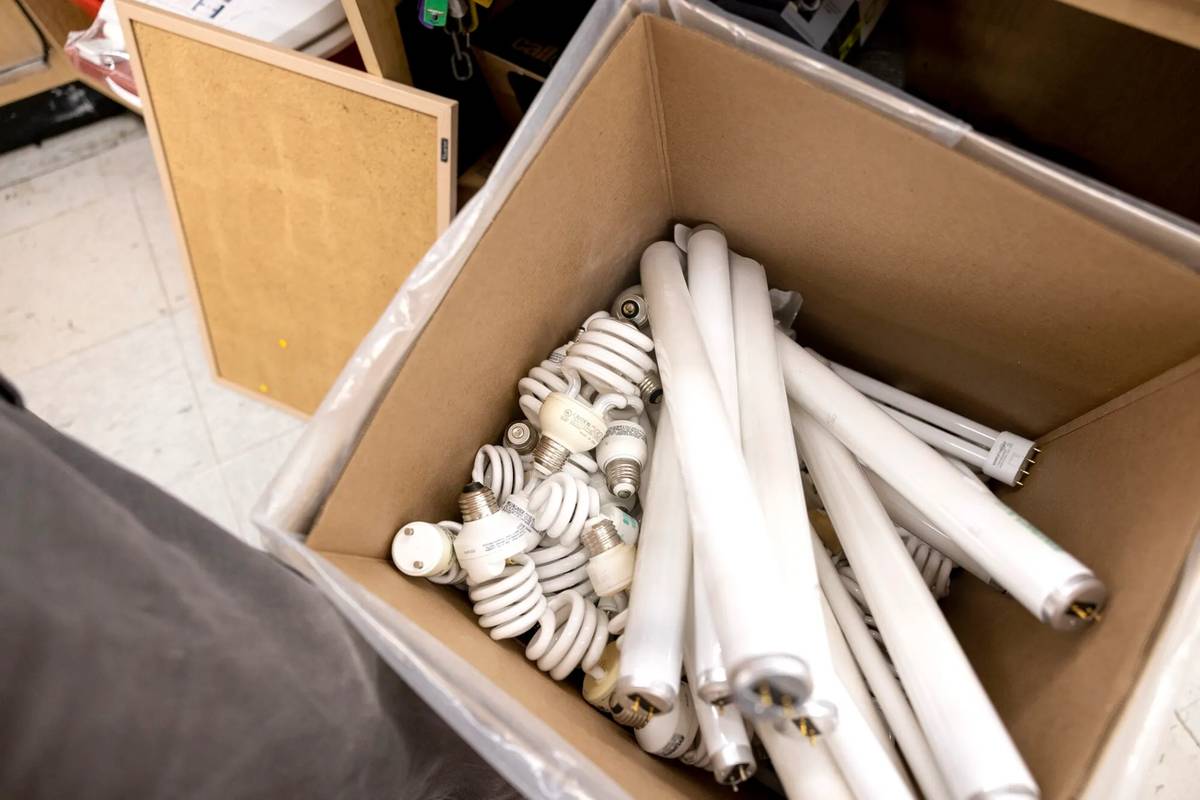
Mercury-based UVC lamps contain toxic heavy metals that pose contamination risks if the bulb breaks. Cleanup requires specialized handling, and disposal must follow strict hazardous waste protocols. UVC LEDs contain no mercury whatsoever. If a fixture is damaged, there is no toxic spill to manage and no environmental contamination to worry about. This absence of hazardous materials simplifies maintenance and removes a significant liability from residential and commercial installations.
Temperature differences further separate these technologies. Mercury lamps generate substantial heat during operation, often reaching surface temperatures that can burn skin on contact or damage nearby materials. Some require ventilation or protective housings that add cost and complexity. UVC LEDs run cool to the touch, eliminating burn hazards and allowing installation in confined spaces like cabinets, HVAC ducts, or under-counter areas where traditional systems would be unsafe.
| Feature | UVC LED | Traditional Mercury UVC |
|---|---|---|
| Mercury Content | None | Contains toxic mercury vapor |
| Operating Temperature | Cool to touch | Very hot, burn hazard |
| Ozone Production | None at 260-280nm | Produces ozone below 240nm |
| Startup Time | Instant on/off | 3-5 minute warm-up required |
Certain mercury lamps emit wavelengths below 240nm that generate ozone, a respiratory irritant. Prolonged exposure in enclosed spaces can cause throat irritation, coughing, and breathing difficulties. UVC LEDs operating in the 260-280nm range produce zero ozone, making them safe for continuous operation in occupied spaces without requiring ventilation or air scrubbing.
The instant on/off capability of UVC LEDs provides precise control that traditional lamps cannot match. Mercury systems need three to five minutes to warm up before reaching full disinfection power and cannot be cycled frequently without degrading bulb life. LEDs reach full output the moment you flip the switch and can be activated hundreds of times daily without performance loss. This responsiveness enables motion-sensor integration, allowing disinfection cycles to run only when rooms are unoccupied, which maximizes safety and energy efficiency.
Energy Efficiency That Reduces Operating Costs
UVC LED systems deliver disinfection power without the ongoing energy drain of traditional mercury-vapor lamps. While conventional UVC methods demand constant high wattage to maintain output, LED-based solutions operate at a fraction of the power, typically using 40-60% less electricity for equivalent disinfection coverage. This efficiency translates directly into lower monthly utility costs, particularly valuable for systems running continuously in HVAC units or high-traffic commercial spaces.
The financial advantage compounds over time through exceptional longevity. UVC LED modules routinely last 20,000-50,000 hours before requiring replacement, compared to 8,000-12,000 hours for mercury lamps. A homeowner running a UVC LED system six hours daily can expect five to eight years of service from a single unit. Businesses operating around the clock still achieve multi-year performance without frequent bulb changes, eliminating both replacement costs and the labor expense of ongoing maintenance.
Research comparing UVC-LED compared with mercury lamp systems confirms this operational gap. The instant-on capability of LEDs adds another layer of savings, no warm-up period means the system disinfects only when needed, unlike mercury lamps that waste energy cycling through startup phases.
For families and business owners looking to reduce energy bills while maintaining cleaner environments, the math is straightforward. Lower wattage consumption, extended replacement intervals, and zero warm-up waste create a cost structure that pays for itself within the first two years of operation in most residential applications, faster still in commercial settings with higher usage rates.
Targeted Disinfection for High-Touch Surfaces
Residential Applications
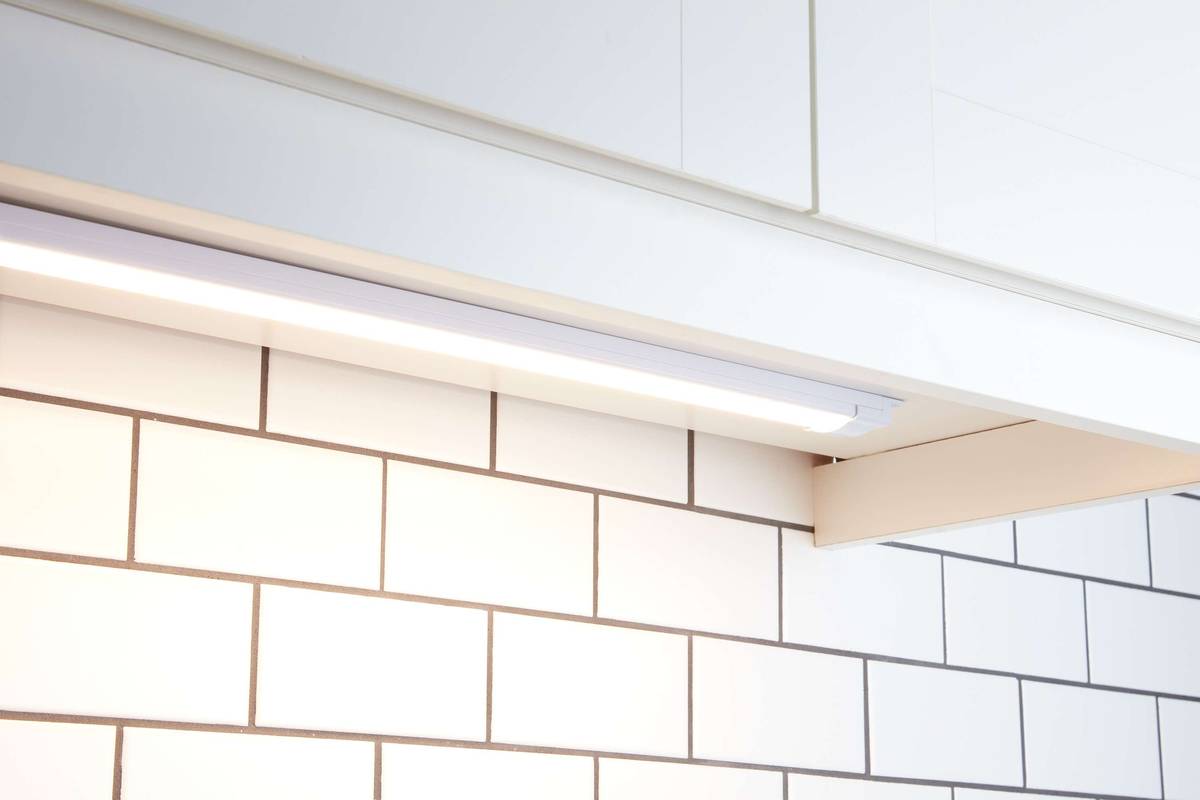
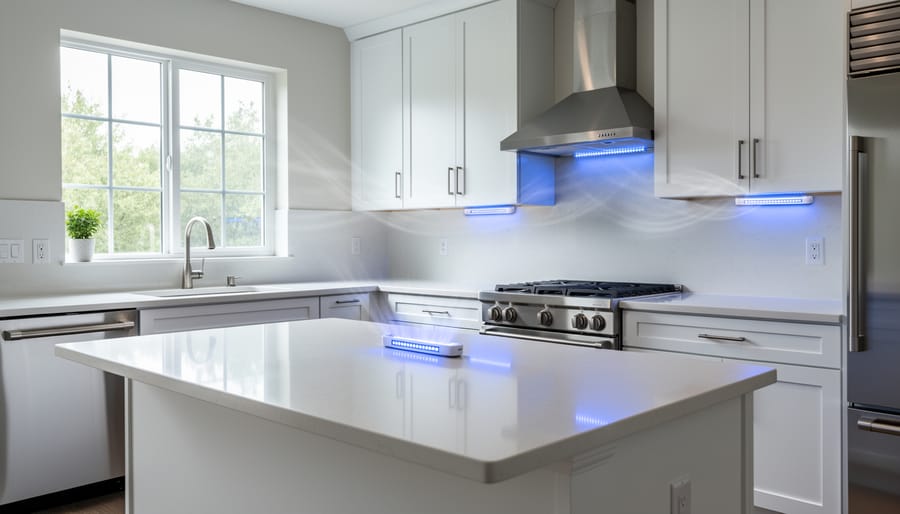
Homeowners integrate UVC LED disinfection into kitchens by placing small units above or within under-cabinet lighting where they continuously sanitize countertops between meal prep sessions. A five-minute cycle after cooking reduces bacteria on cutting boards and high-touch surfaces by up to 99%, eliminating the need for constant chemical wipes.
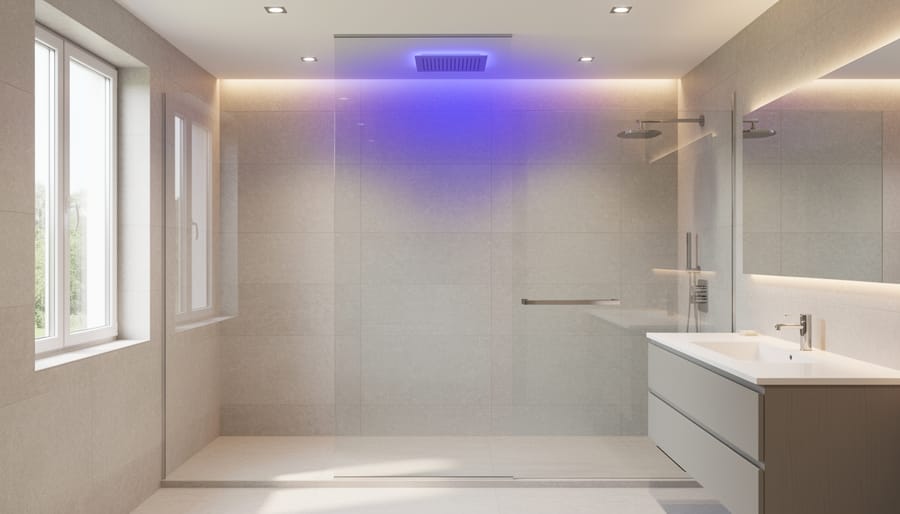
In bathrooms, compact UVC LED modules mount inside medicine cabinets or under vanities to disinfect toothbrush holders, faucet handles, and soap dispensers, areas that harbor moisture and germs. Closets benefit from small ceiling-mounted units that prevent mildew on stored clothing and shoes, particularly in humid climates.
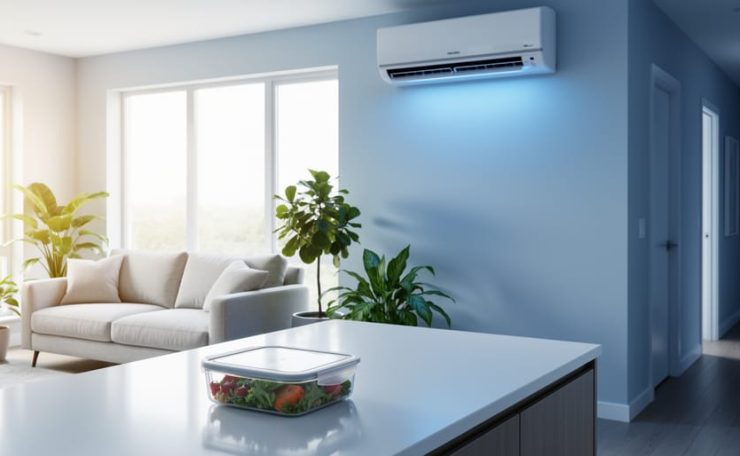
For whole-home protection, UVC LED systems integrate directly into HVAC ducts, purifying circulating air as it passes through. A typical residential unit treats air continuously during heating or cooling cycles, reducing airborne pathogens without filters or replacement cartridges. These applications deliver ongoing disinfection quietly in the background, requiring minimal maintenance while supporting healthier living spaces.
Commercial and Hospitality Spaces
Commercial spaces face constant pressure to demonstrate cleanliness and prioritize guest safety. UVC LED disinfection delivers measurable benefits in environments where public perception directly impacts revenue.
Hotels install UVC LED systems in HVAC ducts to continuously treat circulating air, reducing airborne pathogens in guest rooms and common areas. Some properties integrate compact UVC modules into bathroom vanities and elevator panels, high-contact zones where traditional cleaning occurs only periodically. This layered approach provides 24/7 disinfection between manual cleanings.
Office buildings benefit from UVC LED integration in shared spaces: conference rooms, breakrooms, and reception desks. The technology operates quietly in the background, disinfecting surfaces and air without disrupting workflow or requiring staff retraining.
Event venues leverage UVC LED’s instant on/off capability to disinfect between events. A ballroom can receive targeted treatment during setup, then switch to standard lighting when guests arrive, no residual chemicals, no waiting for equipment to cool.
For businesses, the real advantage extends beyond pathogen reduction. Visible UVC LED installations signal investment in health infrastructure, building client confidence and differentiating your space in competitive markets where cleanliness drives booking decisions.
Compact Design That Integrates Seamlessly with Interior Aesthetics
UVC LED modules measure roughly the size of a small light switch or compact smartphone, making them among the most space-efficient disinfection technologies available. This compact footprint solves a persistent design challenge: how to introduce advanced sanitation without compromising the visual character of a room. Unlike bulky UV lamp assemblies that require dedicated mounting brackets and visible housings, UVC LED components slip into recessed lighting cans, tuck behind crown molding, or nest inside HVAC ducts where they remain completely invisible during everyday use.
Interior designers value this discretion because it preserves clean sightlines and architectural intent. A UVC LED strip can run along the underside of kitchen cabinets to disinfect countertops without adding visible hardware, or integrate into a floating bathroom vanity to treat surfaces below the sink. In commercial projects, the technology fits within decorative ceiling panels, behind reception desk fronts, or inside custom millwork, ensuring the design narrative stays unbroken while delivering continuous pathogen reduction.
The small size also expands placement options. You can position UVC LED units in locations where traditional disinfection equipment would never fit: inside narrow closets, within the plenum of a dropped ceiling, or tucked into the gap between a mirror and wall. This flexibility lets designers layer function into spaces without visual clutter, appealing to clients who expect both high performance and refined aesthetics.
Installation typically requires minimal modification to existing structures. Many UVC LED systems mount with adhesive backing or small clips, avoiding the drywall repairs and structural alterations that larger disinfection equipment demands. This ease of integration accelerates project timelines and reduces labor costs, making advanced sanitation accessible even in tight-budget renovations where every square inch and every dollar counts.
Chemical-Free Disinfection for Health-Conscious Environments
UVC LED disinfection eliminates the need for bleach, ammonia, and other chemical cleaners that leave residues on surfaces your family touches every day. For homeowners with young children who put their hands on everything, or pets who lick countertops and floors, this chemical-free approach removes a significant source of household toxins. The technology works through physical disruption of pathogen DNA rather than chemical reactions, leaving no fumes, fragrances, or potentially harmful residues behind.
People with asthma, allergies, or chemical sensitivities often struggle with conventional cleaning products that trigger respiratory symptoms or skin irritation. UVC LED systems provide continuous disinfection in bathrooms, kitchens, and entryways without introducing volatile organic compounds into indoor air. This makes them particularly valuable in tightly sealed modern homes where ventilation is limited and chemical vapors can accumulate.
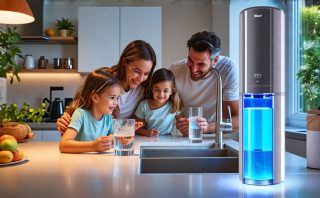
The environmental benefits extend beyond your home. By reducing dependence on single-use cleaning wipes, spray bottles, and chemical products that eventually enter water systems, UVC LED technology supports a more sustainable household model. Some systems, like UVC water sterilizers even eliminate the need for chlorine treatments in drinking water applications, offering chemical-free purification at the point of use.
This passive disinfection approach also saves time. Instead of manually wiping down high-touch surfaces multiple times daily with different products, properly installed UVC LED systems work continuously in the background, reducing your cleaning workload while maintaining healthier surface conditions throughout your living spaces.
Proven Effectiveness Against Pathogens
UVC LED disinfection delivers measurable results against the pathogens that matter most in residential and commercial environments. Laboratory testing consistently shows that UVC wavelengths between 260 and 280 nanometers damage the DNA and RNA of microorganisms, preventing them from reproducing and rendering them harmless. This range represents the peak absorption point for nucleic acids, which is why properly designed UVC LED systems target this spectrum for maximum pathogen reduction.
Research demonstrates effectiveness rates of 90-99.9% against common household threats, including E. coli, Staphylococcus aureus, influenza viruses, and various mold species. The exact reduction depends on exposure time, distance from the source, and the specific pathogen involved. A UVC LED system operating at 275nm with sufficient intensity can achieve significant viral inactivation in seconds, while bacteria typically require slightly longer exposure for comparable results.
What distinguishes UVC LED technology from hope or marketing claims is third-party verification. Independent testing by laboratories following established protocols confirms that these systems work under real-world conditions, not just controlled environments. Unlike chemical disinfectants that can lose potency or leave residues, UVC LED performance remains consistent throughout the unit’s operational life, provided the components receive basic maintenance.
For homeowners, this translates to reliable protection in the spaces you use daily. A UVC LED system installed in your HVAC return duct treats the air circulating through your home continuously. Fixtures placed in bathrooms target surfaces where moisture encourages microbial growth. The technology doesn’t eliminate every single pathogen instantly, but it substantially reduces microbial loads over time, contributing to a cleaner, healthier indoor environment without constant manual intervention.
Key Considerations When Choosing UVC LED Disinfection Systems
Selecting the right UVC LED disinfection system requires balancing technical performance with your specific space and budget. Start by confirming the wavelength output, effective systems operate between 260 and 280 nanometers, with peak germicidal efficiency around 265nm. Ask manufacturers for third-party test data verifying these specifications rather than relying on marketing claims alone.
Coverage area determines how many fixtures you’ll need and where they should be placed. A single UVC LED unit typically disinfects a limited zone, maybe three to five square feet, so kitchens, bathrooms, and entryways may require multiple installations to achieve comprehensive protection. Professional lighting designers can use lighting design software to map out optimal placement that maximizes coverage without creating shadowed areas where pathogens escape exposure.
Safety certifications matter significantly. Look for UL or ETL listings confirming electrical safety, and verify that the system includes proper shielding to prevent direct UVC exposure to skin and eyes. Some residential systems incorporate motion sensors that automatically shut off when someone enters the room, adding an essential layer of protection.
When consulting with lighting professionals, consider these critical factors:
- Total wattage and energy consumption for your intended coverage area
- Expected lifespan and warranty terms for the UVC LED components
- Installation complexity, retrofit into existing fixtures versus new dedicated units
- Maintenance requirements and filter replacement schedules if applicable
- Smart home integration options for automated scheduling
- Total cost including installation, not just equipment price
Professional consultation ensures you avoid undersized systems that fail to deliver adequate disinfection or oversized installations that waste energy and money. A qualified lighting designer will assess your specific environment, usage patterns, and aesthetic preferences to recommend a system that genuinely improves your indoor air quality and surface hygiene without compromising your home’s visual appeal.
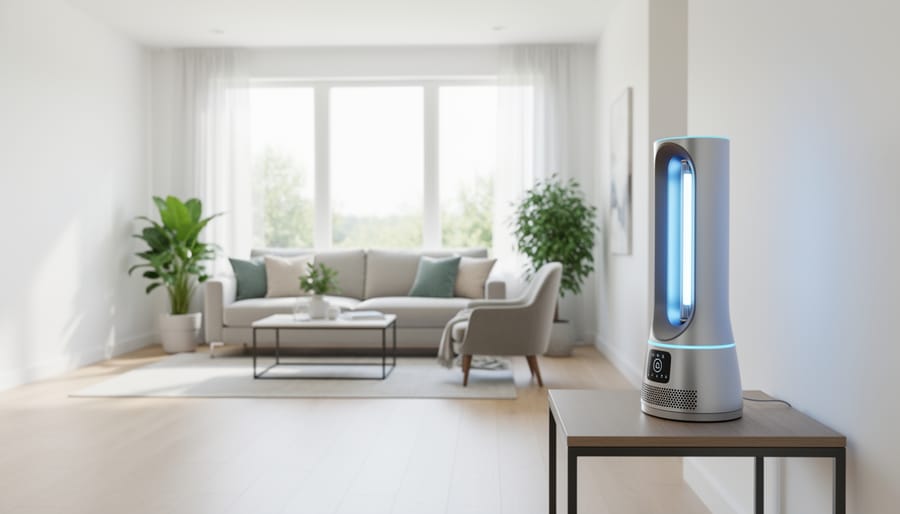
UVC LED disinfection delivers tangible benefits that transform how you approach cleanliness in your home or business. The technology combines superior safety, no mercury, no ozone, instant control, with exceptional energy efficiency that cuts operating costs while reducing your environmental footprint. Its compact design integrates invisibly into your existing lighting and architectural elements, maintaining the aesthetic integrity designers work hard to achieve. Most importantly, it provides chemical-free pathogen reduction that protects your family, guests, or clients without harsh cleaners or constant manual effort.
Whether you’re planning a kitchen renovation, upgrading a commercial space, or simply seeking healthier indoor air, UVC LED systems offer proven effectiveness backed by science and real-world results. The key lies in proper selection and installation, choosing the right wavelength, coverage area, and certified components for your specific needs.
Ready to explore how UVC LED disinfection fits your space? Contact DonsBulbs for a personalized consultation. Our lighting specialists will assess your environment, recommend tailored solutions, and ensure your system delivers maximum safety and performance without compromising design. Your healthier, cleaner space starts with the right professional guidance.